 |
 |
 |
 |
 |
|
 |
|
 |
|
 |
|
 |
|
 |
|
|
|
 |
|
|
|
 |
|
|
|
 |
 |
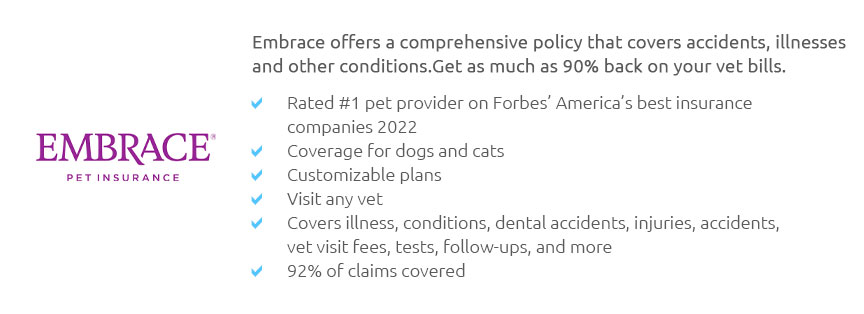
Understanding the Average Cost for Pet InsuranceIn today's world, pet insurance is becoming an increasingly popular option for pet owners seeking peace of mind and financial security. The average cost for pet insurance can vary significantly based on a myriad of factors, making it a topic worthy of exploration. On average, pet insurance can range anywhere from $20 to $60 per month for dogs, while cat owners might expect to pay between $10 and $30 monthly. However, these numbers are influenced by variables such as the pet's age, breed, location, and the coverage level selected. One must first consider the type of coverage they require; for instance, accident-only policies are typically cheaper than comprehensive plans that cover both accidents and illnesses. It's essential to weigh the benefits of each type and assess what aligns best with your pet's needs and your financial situation. Some providers offer wellness add-ons that cover routine care, adding to the overall cost but potentially saving money in the long run by preventing costly health issues. While exploring options, it's prudent to compare popular providers. Companies like Embrace, Healthy Paws, and Nationwide are frequently recommended due to their comprehensive coverage and competitive pricing. For instance, Embrace offers a diminishing deductible that can lower costs over time, a feature that can be quite attractive to budget-conscious pet owners. Meanwhile, Healthy Paws is praised for its unlimited lifetime benefits, ensuring that your pet is covered no matter how high the medical bills soar. Nationwide, on the other hand, offers an extensive range of plans, including exotic pets, which is a rare find in the market. When assessing the average cost for pet insurance, it's also beneficial to consider the deductible and reimbursement levels. Higher deductibles typically mean lower monthly premiums, but they also translate to higher out-of-pocket costs when claims are made. Similarly, choosing a lower reimbursement percentage, such as 70% instead of 90%, can decrease premiums but increase your share of the expenses. Balancing these aspects requires careful consideration and a thorough understanding of one's financial comfort zone. Additionally, geographic location plays a pivotal role in determining insurance costs. Urban areas with higher veterinary costs generally lead to higher premiums compared to rural regions. For example, pet owners in New York City might face steeper insurance costs than those in a small Midwestern town, making it imperative to obtain quotes specific to your locale.
Ultimately, the decision to invest in pet insurance requires a nuanced approach, balancing cost with coverage needs. While the average cost is a useful starting point, individual circumstances will dictate the most suitable choice. By comparing options and considering factors such as coverage types, provider reputations, and personal financial tolerance, pet owners can make informed decisions that safeguard both their pets' health and their wallets.
|
